Choosing the Right Organic Bedding: A Practical Guide to Sleep-Supporting Materials

Explore how to select organic bedding that supports comfort, temperature regulation, and skin sensitivity. This guide compares materials, certifications, and weave types to help you choose sleep-friendly options without compromising on softness or durability.


The bed is a sanctuary of daily ritual and quiet power. In the modern home, the bedding we choose is not merely a coverlet; it is a medium through which we regulate temperature, manage moisture, and communicate care for our own bodies. Organic bedding has moved beyond a fringe consideration into a standard of mindful living. Certifications such as GOTS (Global Organic Textile Standard) offer an essential map for discerning consumers: they are not just about fabric origin, but about the environmental and social practices that accompany the textile’s journey from farm to finished product.

Within organic bedding, two dominant weaves shape the feel of the night: sateen and percale. Sateen, with its smooth, plush hand and subtle sheen, offers warmth without heaviness; percale, a crisp, breathable weave, keeps the air moving and temperatures even. Each surface has a narrative: satin-like drape for restful indulgence or a cool, breathable bite for hot sleepers. The choices have consequences for climate control, sleep alignment, and long-term durability.

In this guide, we examine representative sets and materials—from the glossy, moisture-wicking performance of organic cotton sateen to the airy clarity of organic cotton percale—alongside a close look at how these fabrics interact with different mattress types, from compact platforms to expansive hybrids. We also explore the role of comfort accessories—like throws and pillow arrangements—in shaping a room that feels like a refined, salon-inspired sanctuary.

Organic Bedding Materials: What to Know

The term organic in bedding denotes more than a label; it signals a chain of responsible farming, fiber processing, and product integrity. Cotton, as the most common fiber, has several pathways to certification. Organic cotton is grown without synthetic pesticides and with careful water management, often under certification schemes such as GOTS, which also governs the processing and dyeing stages to minimize harmful substances.

Beyond origin, the weave determines tactile experience and performance in temperature regulation. Cotton sateen weaves—where one finishes with a sateen weave to yield a smooth surface—typically feel warmer and more enveloping, offering a luxurious, hotel-like texture. In contrast, organic cotton percale uses a crisp, tight weave that produces a cooler feel with superior breathability—ideal for warmer climates or sleepers who prefer a direct, mattress-to-skin coolness.

The quality and performance of bedding are also a function of thread count, fiber length, and finishing processes. Thread count alone is not a guarantee of luxury; it must be considered in concert with fiber quality and weave. Long-staple cotton fibers generally deliver a smoother hand and stronger durability, while the finishing process—whether it adds moisture-wicking properties or keeps the fabric naturally breathable—modulates comfort over the life of the sheet set.

Certifications and What They Mean for Sleep Health

Certifications such as GOTS are often the gold standard in consumer bedding, signaling compliance across the textile supply chain—from farming to finished products. GOTS covers organic fiber content, environmental criteria, and social criteria, including fair labor practices. A GOTS-certified sheet set offers reassurance that the fabrics are produced with regard for both the wearer’s health and the planet’s well-being.

In addition to GOTS, look for other credibility markers such as OEKO-TEX Standard 100 for textile safety, which can provide further confidence in the absence of harmful substances. When a product carries multiple certifications, it strengthens the case for safe sleep surfaces free from toxins that can affect skin sensitivity, particularly for households with children, allergy-prone individuals, or those with reactive skin.

Pairing Bedding with Mattresses and Climate

Your choice of sheets should harmonize with your mattress type and local climate. A memory-foam or latex mattress may respond differently to surface texture and temperature than an innerspring unit. For example, organic cotton percale’s crisp breathability can pair beautifully with cooler night air, helping to maintain a balanced microclimate. Sateen sheets, with a warmer surface, can feel luxe in a cooler room and may be paired with a lighter duvet to offset the warmth.

Climate matters. In hot climates or for sleepers who overheat at night, percale’s airflow can dramatically improve comfort. For cooler regions or winter months, sateen’s softness and warmth may reduce the need for heavy blankets and can contribute to a sensation of cocooning warmth. Layering is a practical tactic: begin with a breathable fitted sheet, add a cool or warm top sheet depending on the season, and finish with a lightweight duvet that suits your warmth envelope.
Three Key Figures: Perspectives Across Time

Hypatia of Alexandria (c. 350–415 CE)

While best known as a mathematician and philosopher, Hypatia’s era represents a salon-like milieu in which the exchange of ideas was performed in curated, intimate spaces. The concept of a gathering, a salon, echoed in the studious circles of Alexandria: rooms organized for contemplative dialogue, where textiles and furniture subtly influenced social interaction. The idea of thoughtful design supporting intellectual discourse resonates with today’s focus on how bedding and sleep environments shape cognition and mood.

Léonard da Vinci (1452–1519)

In the Renaissance, the workshop-like studio functioned as a proto-salon for collaboration between artists, scientists, and patrons. Da Vinci’s notebooks reveal a reverence for surfaces, textures, and light—an aesthetic lineage that informs modern interior design and the science of sleep surfaces. The tactile experience of fabrics and the way light interacts with a textile finish can influence a room’s mood, much as frescoed walls and carefully chosen textiles shape a behavioral space for dialogue and rest.

Le Corbusier (1887–1965)

As a 20th-century pioneer of modernist interiors, Le Corbusier championed uncluttered spaces that emphasize function and calm. His principles echo in today’s salon-inspired bedrooms where simplicity, scale, and material honesty create environments conducive to restorative sleep. The thoughtful marriage of form and function—an upholstered surface for comfort and a clean, airy room for serenity—continues to influence bedding and interior design philosophies.


Case Studies: Makeovers for a Calm, Salon-Inspired Bedroom

Small-Space Sanctuary: A Calmer Compact Room

In a compact city apartment, a bedroom can feel cramped without careful materials and layout. A switch to organic cotton percale sheets paired with a breathable duvet and a low-profile bed frame can transform the space. The room gains breathability, a cooler microclimate at night, and the perception of more airiness. This makeover demonstrates how a few high-quality textiles can recalibrate mood without overhauling square footage.

Cozy Refinement: A Calming Retreat with Sateen Luxe

A larger master suite embraced a warm, salon-inspired aesthetic using a sateen sheet set in a soft ivory tone, layered with a linen throw for texture. The bedding’s weight and luster created a sense of luxury while maintaining a breathable surface. The interior was completed with strategic lighting, soft drapery, and a neutral palette to amplify the feeling of quietude.

Product Spotlight: Vispring Sublime Superb and the Sleep-Health Connection

In the world of sleep surfaces, the Vispring Sublime Superb stands as a pinnacle of traditional craftsmanship and modern comfort. Its filling blend—real Shetland wool, horsetail, silk, mohair, and organic cotton—operates as a concert of natural materials designed to regulate temperature and respond to movement. The spring system, a hand-nested calico pocket construction with Vanadium steel springs, distributes weight precisely for edge-to-edge support. In a salon-inspired bedroom, such a mattress can anchor an atmosphere of refined stillness, inviting rest as carefully as it invites guests to linger.

The texture and resilience of such a surface influence how you perceive the adjacent textiles. A sateen sheet set or a linen throw gains new resonance when the mattress beneath offers a truly modeled response to weight and movement. The Sublime Superb demonstrates how a high-performance core can harmonize with textiles chosen for softness, temperature management, and tactile pleasure.

Product snapshot

Sublime Superb

A luxury spring mattress with natural fillings for temperature regulation and buoyant support.

Related bedding highlights

  • Sleep and Beyond Organic Cotton Sateen Sheet Set: luxurious softness with GOTS-certified organic cotton.
  • Sleep and Beyond Organic Cotton Percale Sheet Set: crisp, breathable surface for hot sleepers.
  • BOVI Estate Sheet Set: high-thread-count sateen with a refined hand for durability.

Conclusion: A Calmer Night, A Sharper Day

The choices you make about organic bedding—cotton types, weaves, and certifications—are not merely about texture or price. They shape your sleep health, your skin comfort, and your overall daily vitality. A salon-inspired bedroom emphasizes a calm, curated environment where textiles converse with lighting, color, and furniture to create a sense of well-being. By prioritizing organic materials, you invest in ongoing comfort and in a space that supports your most restorative hours.

The materials highlighted here—GOTS-certified cotton, sateen and percale weaves, and the thoughtful layering of bed sets—provide a practical framework for choosing bedding that remains luxurious while staying faithful to health and environmental principles. As you select sheets, duvets, and throws, consider how each piece will inhabit the room’s atmosphere across seasons and life moments. In the end, a well-chosen bedding ensemble helps to elevate the entire experience of sleep—from the moment you pull back the covers to the first breath of morning light.

This article draws on concepts relevant to organic bedding, sleep health, and interior design, and references representative products for contextual illustration. The goal is informational and aims to support readers in making informed, health-conscious choices.

Related Products

Vispring Sublime Superb

Vispring · No. COVSMSBBV

Vispring Sublime Superb

Experience a cooler, breathable sleep with buoyant support that adapts to you, stone-stable edge-to-edge comfort, and long-lasting resilience—courtesy of luxe blends and hand-crafted springs for a restful, motion-quiet night.
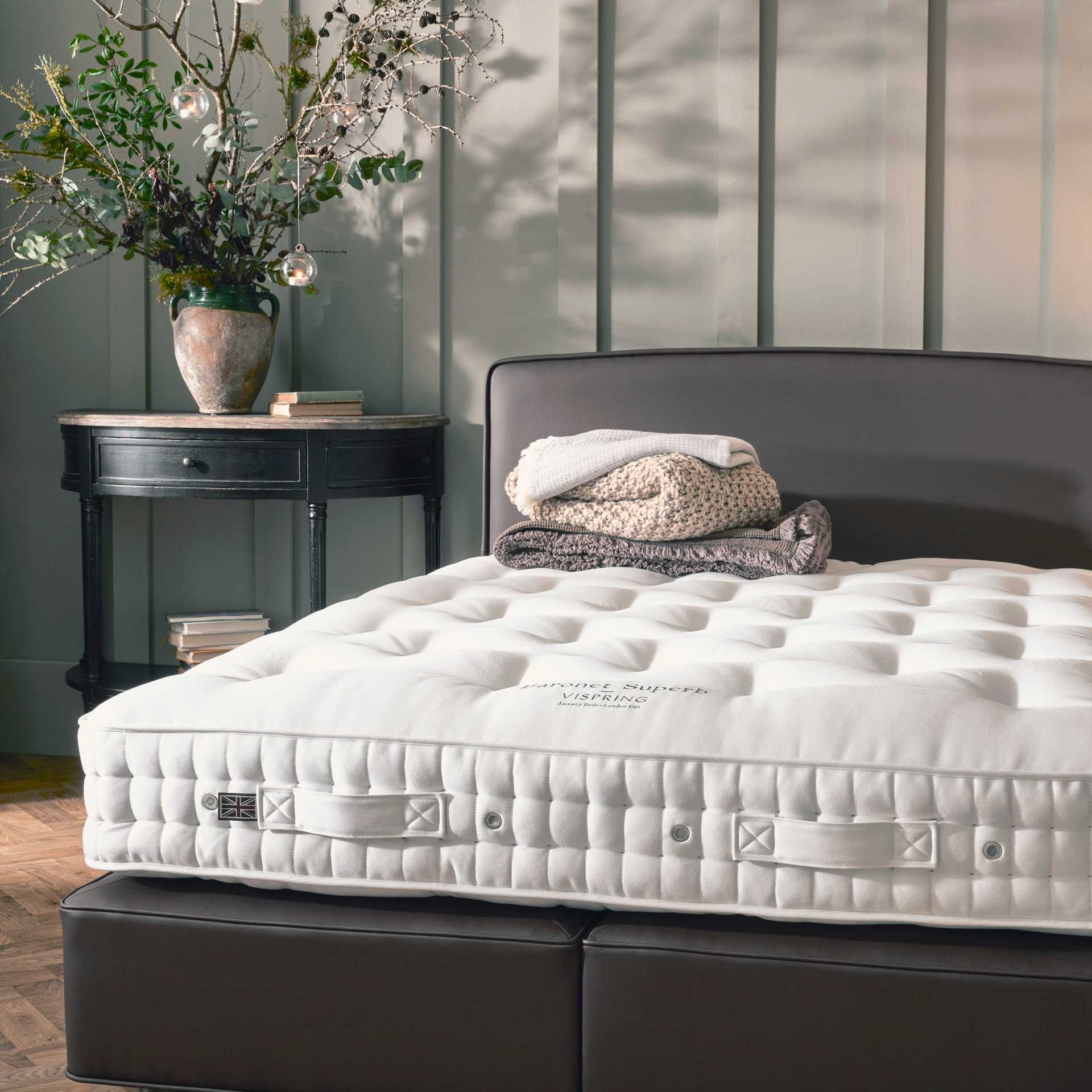
Vispring Baronet Superb

Vispring · No. COVSMBAB

Vispring Baronet Superb

Experience undisturbed sleep with 1,716 responsive springs that isolate movement, while breathable, natural fillings keep you cool and comfy—handcrafted for lasting, luxurious support from edge to edge.
St Geneve Avalon Linen Throw

St Geneve · No. STGENEVE-AVALON-LINEN-THROW

St Geneve Avalon Linen Throw

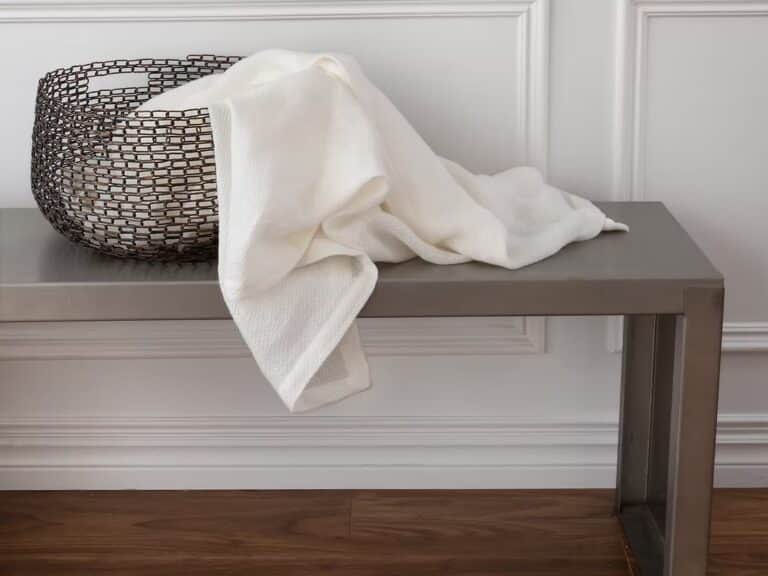
Wrap yourself in effortless luxury with Avalon—lightweight yet cozy linen that drapes softly for calm, lingering moments, from sofa lounging to fireside reading. Sustainably made, timelessly elegant, and crafted for lasting comfort. Gift-ready and endlessly versatile.

Theme